

Introduction
Tenant rights against unfair eviction are essential protections that ensure renters are not forced out of their homes without proper legal justification. In many cases, tenants face sudden notices, pressure tactics, or even illegal lockouts by landlords who do not follow due process. Understanding your rights can make the difference between losing your home unfairly and successfully defending your tenancy.
In today’s rental market, disputes between landlords and tenants are increasingly common. However, laws in most regions clearly define when and how eviction can take place. These rules are designed to protect tenants from harassment, discrimination, and wrongful removal. Unfortunately, many renters are unaware of these protections, which makes them vulnerable to exploitation.
Knowing tenant rights against unfair eviction helps you respond calmly and legally when problems arise. Whether you are renting an apartment, house, or shared accommodation, these rights give you a legal shield against sudden or unlawful eviction actions.
This guide will walk you through everything you need to know, including legal procedures, common mistakes, benefits of knowing your rights, and expert tips to protect yourself effectively.
What is Tenant Rights Against Unfair Eviction?
Tenant rights against unfair eviction refer to the legal protections that prevent landlords from removing tenants without following proper legal procedures. These rights ensure that eviction can only happen for valid reasons such as non-payment of rent, lease violations, or legal property use changes.
In most legal systems, a landlord cannot simply ask a tenant to leave without notice. They must provide written notice, follow court procedures, and obtain legal approval before eviction. Any attempt to bypass this process may be considered illegal eviction.
Tenant rights against unfair eviction also include protection from harassment, illegal lockouts, utility cutoffs, or forced removal without court orders. These rights exist to maintain fairness and balance between property ownership and tenant security.
Why is Tenant Rights Against Unfair Eviction Important?

Understanding tenant rights against unfair eviction is crucial because it protects individuals and families from sudden homelessness and financial instability. Without these rights, landlords could misuse their authority and remove tenants at will.
These rights also ensure stability in housing, allowing tenants to plan their lives without fear of unexpected displacement. This is especially important for families, students, and workers who depend on long-term housing security.
Moreover, tenant rights against unfair eviction promote fairness in the rental system. They create a legal structure where both landlords and tenants must follow rules, reducing conflict and ensuring disputes are resolved through proper legal channels instead of force or intimidation.
Detailed Step-by-Step Guide
1. Understand Your Lease Agreement
Your lease is the foundation of your tenancy. It outlines your rights, responsibilities, rent terms, and conditions for eviction. Always read it carefully before signing.
Make sure you understand clauses related to notice periods, rent payments, and termination conditions. This helps you identify whether any eviction attempt is legally valid or not.
2. Check the Validity of Eviction Notice
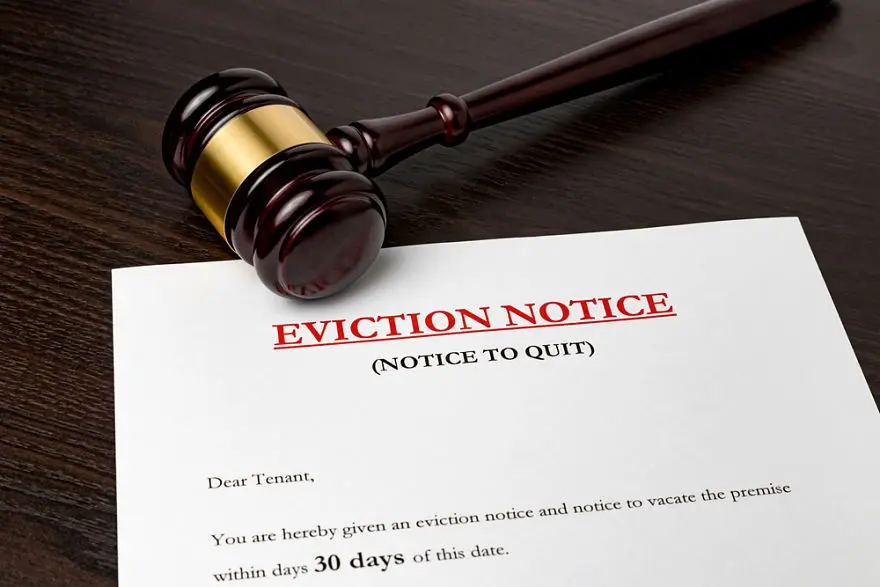
A legal eviction always starts with a written notice. The notice must include a valid reason and provide sufficient time to respond or vacate.
If the notice is verbal, incomplete, or lacks legal reasoning, it may not be valid. Tenant rights against unfair eviction require landlords to follow strict notice procedures.
3. Communicate with Your Landlord
In many cases, disputes can be resolved through communication. If you receive an eviction notice, ask your landlord for clarification and try to resolve misunderstandings.
Keep all communication in writing for future legal protection. Emails or written messages can serve as evidence if the dispute escalates.
4. Seek Legal Advice
If you believe the eviction is unfair, consult a legal expert or tenant rights organization. They can guide you based on local housing laws.
Legal professionals can help you respond correctly to notices and prevent illegal eviction attempts.
5. File a Legal Response if Necessary
If the landlord proceeds with eviction despite objections, you may need to file a formal legal response in court. This can temporarily stop the eviction process until the case is reviewed.
Tenant rights against unfair eviction often depend on timely legal action, so do not delay if the situation escalates.
Benefits of Tenant Rights Against Unfair Eviction
- Protects tenants from sudden homelessness
- Ensures legal fairness in rental disputes
- Prevents harassment and illegal lockouts
- Provides time to find alternative housing
- Strengthens tenant security and stability
- Encourages responsible landlord behavior
- Supports peaceful dispute resolution
- Reduces exploitation in rental markets
Disadvantages / Risks
- Legal processes can be time-consuming
- Court cases may involve legal expenses
- Some tenants may lack awareness of their rights
- Landlord-tenant relationships may become strained
- Misuse of rights can delay legitimate evictions
- Complex laws may be difficult to understand
Common Mistakes to Avoid
One of the most common mistakes tenants make is ignoring eviction notices. Even if you believe the notice is unfair, ignoring it can weaken your legal position. Always respond appropriately and on time.
Another mistake is not keeping written records. Verbal agreements or conversations are not strong evidence in legal disputes. Always document communication with your landlord.
Many tenants also fail to understand local laws. Tenant rights against unfair eviction vary by region, so relying on general assumptions can lead to serious consequences.
FAQs
1. Can a landlord evict me without notice?
No, in most cases landlords must provide written notice before starting eviction proceedings.
2. What should I do if I receive an eviction notice?
Review it carefully, check its validity, and seek legal advice if needed.
3. Is verbal eviction legal?
No, eviction must follow a legal written process in most jurisdictions.
4. Can I challenge an unfair eviction in court?
Yes, tenants can challenge eviction if proper legal procedures are not followed.
5. What happens if I refuse to leave?
The landlord must go through court proceedings; they cannot force removal themselves.
6. Do tenant rights vary by country?
Yes, tenant rights against unfair eviction depend on local rental laws.
Expert Tips & Bonus Points
Always keep a copy of your lease agreement in a safe place. This document is your strongest defense in any dispute. Understanding every clause can prevent future misunderstandings.
Pay rent on time and maintain clear communication with your landlord. Even in disputes, showing responsible behavior strengthens your legal position.
If possible, join tenant associations or housing support groups. They often provide guidance and legal resources that can help you protect your tenant rights against unfair eviction more effectively.
Conclusion
Tenant rights against unfair eviction play a vital role in protecting renters from illegal or unjust removal. These rights ensure that landlords follow proper legal procedures before evicting anyone, creating a fair and balanced rental system.
Understanding these protections allows tenants to respond confidently to eviction threats and take the right legal steps when necessary. From reviewing lease agreements to seeking legal support, every step is important in defending your home.
In many cases, eviction disputes arise due to misunderstandings or improper communication. By staying informed and proactive, tenants can avoid unnecessary stress and protect their housing stability.
Ultimately, tenant rights against unfair eviction are not just legal rules—they are essential safeguards that provide security, dignity, and fairness in everyday living. Knowing and using these rights wisely can help you maintain control over your housing situation and avoid unlawful displacement.
