

Introduction
Losing a job unexpectedly can be stressful, especially when it happens unfairly. Understanding your rights after wrongful termination is the first step toward protecting yourself legally and financially. Many employees do not realize that not all job terminations are lawful, and employers must follow proper procedures before letting someone go.
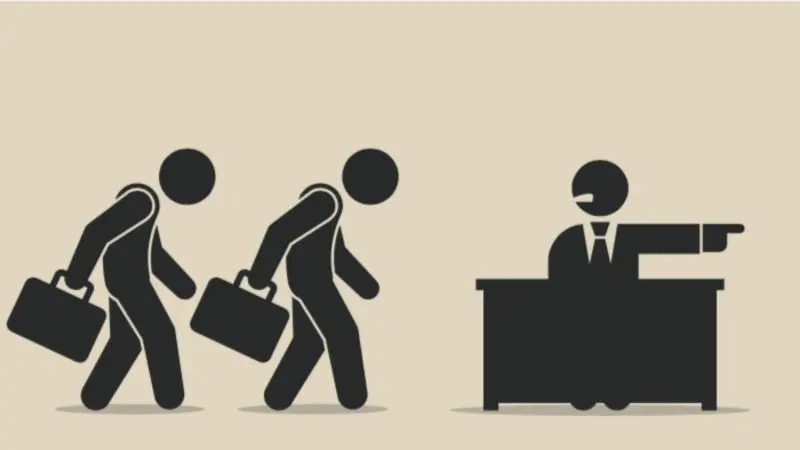
In simple terms, wrongful termination happens when an employee is fired for illegal or unfair reasons. This may include discrimination, retaliation, breach of contract, or violation of labor laws. Knowing your employee rights after termination helps you respond correctly instead of feeling helpless.
In this guide, you will learn what wrongful termination means, why it matters, how to identify it, and what steps you can take. You will also explore legal options, common mistakes to avoid, and expert tips to strengthen your case. Whether you are a beginner or already familiar with workplace law, this article will give you clear and practical knowledge to handle such situations confidently.
What is Rights After Wrongful Termination?
Understanding your rights after wrongful termination means knowing the legal protections available when an employer fires you unlawfully. Not every job loss is illegal, but when the dismissal violates labor laws or employment agreements, it may qualify as wrongful termination.
Wrongful termination can happen in different situations. For example, if an employee is fired due to discrimination based on race, gender, religion, or age, it is considered illegal in many countries. Similarly, if an employer retaliates against a worker for reporting harassment or unsafe working conditions, it may also be unlawful.
In many workplaces, employees are protected by labor laws and contracts. These laws ensure fair treatment and prevent misuse of authority. Your rights after wrongful termination may include compensation, reinstatement, or legal action against the employer depending on the case.
It is important to understand that employment laws vary by country and region. However, the core idea remains the same: employees should not be fired for illegal or unethical reasons. Knowing this definition helps you identify whether your termination was lawful or not.
Why is Rights After Wrongful Termination Important?

Understanding your rights after wrongful termination is important because it protects your financial stability, career growth, and legal safety. Losing a job unfairly can impact your income and mental health, but knowing your rights gives you control over the situation.
One major reason it is important is financial protection. If you were wrongfully terminated, you may be entitled to compensation, unpaid wages, or benefits. This support can help you manage expenses while searching for a new job.
Another reason is justice in the workplace. Employees should not be punished for reporting misconduct or exercising their legal rights. When workers understand their rights after termination, it discourages employers from engaging in unfair practices.
Additionally, awareness helps you take timely legal action. Many people miss deadlines for filing complaints simply because they are unaware of their rights. Proper knowledge ensures you do not lose your opportunity for justice.
Lastly, it empowers employees. Instead of feeling powerless, you can respond confidently, gather evidence, and seek professional help when needed. This knowledge creates a fairer and safer work environment for everyone.
Detailed Step-by-Step Guide
Step 1: Identify If Your Termination Was Wrongful
The first step in understanding your rights after wrongful termination is identifying whether the dismissal was illegal. Review the reason your employer gave for firing you.
Look for signs such as discrimination, retaliation, or breach of contract. If the reason seems unclear or unfair, it may be worth investigating further. Compare your situation with employment laws in your region.
Step 2: Review Your Employment Contract
Your employment contract is a key document. It explains your job role, responsibilities, and termination conditions. Carefully read it to check if your employer followed proper procedures.
If your contract states specific notice periods or conditions for dismissal, and these were not followed, your rights after wrongful termination may have been violated.
Step 3: Collect Evidence
Evidence is crucial in any legal case. Gather emails, messages, performance reviews, and witness statements that support your claim.
Keep records of your work history and any communication related to your termination. Strong evidence increases your chances of success if you take legal action.
Step 4: Consult a Legal Expert
After gathering information, consult a labor lawyer or legal advisor. They can help you understand whether your case qualifies as wrongful termination.
Legal experts can also guide you on compensation claims, settlements, or court procedures based on your situation.
Step 5: File a Complaint or Claim
If advised, you can file a complaint with a labor board or initiate a legal case. This step officially challenges your termination and seeks justice.
Make sure to follow deadlines and provide all necessary documents to support your claim.
Benefits of Rights After Wrongful Termination
- Financial compensation for lost wages and benefits
- Legal protection against unfair employment practices
- Opportunity for job reinstatement in some cases
- Emotional relief and sense of justice
- Stronger workplace rights awareness for future jobs
- Encourages fair treatment of employees by employers
- Helps maintain professional reputation when cleared legally
Disadvantages / Risks
- Legal processes can take time and patience
- Possible legal fees or consultation costs
- Emotional stress during disputes
- Risk of strained relationships with former employer
- Uncertain outcomes depending on evidence strength
- Delay in finding new employment due to ongoing case
Common Mistakes to Avoid
One common mistake is delaying action. Many employees wait too long before seeking help, which can weaken their case.
Another mistake is not collecting enough evidence. Without proper documentation, it becomes difficult to prove wrongful termination.
Some employees also accept settlements too quickly without understanding their full rights after wrongful termination. This can lead to losing potential compensation.
Lastly, not consulting a lawyer is a major error. Professional guidance can significantly improve your chances of success.
FAQs
1. What qualifies as wrongful termination?
Wrongful termination occurs when an employee is fired for illegal reasons such as discrimination, retaliation, or breach of contract.
2. Can I sue my employer for wrongful termination?
Yes, if you can prove that your termination violated employment laws or your contract, you may file a legal case.
3. What compensation can I receive?
Compensation may include unpaid wages, job reinstatement, damages for emotional distress, or settlement payments.
4. How long do I have to file a claim?
Time limits vary by region, but it is important to act quickly to protect your rights after wrongful termination.
5. Do I need a lawyer for a wrongful termination case?
While not always required, a lawyer significantly improves your chances of success by guiding legal procedures.
6. What evidence is important in these cases?
Emails, contracts, performance reviews, witness statements, and termination letters are all valuable evidence.
Expert Tips & Bonus Points
Always document your work performance regularly. This helps prove your professionalism if disputes arise.
Stay calm and professional even after termination. Emotional reactions can sometimes weaken your legal position.
Keep a timeline of events leading to your termination. This helps lawyers understand your case better.
Do not sign any documents without reading them carefully. Some employers may try to limit your rights after termination.
Stay informed about labor laws in your region. Knowledge is your strongest protection in workplace disputes.
Conclusion
Understanding your rights after wrongful termination is essential for protecting your career and financial stability. Many employees face unfair dismissal without realizing they have legal options available. By learning how wrongful termination works, you can respond effectively instead of feeling powerless.
This guide has explained what wrongful termination means, why it is important, and how you can take step-by-step action. From identifying unfair dismissal to collecting evidence and seeking legal help, each step plays a crucial role in building a strong case.
Remember that every situation is different, and outcomes depend on evidence and local laws. However, being informed gives you a strong advantage. You are better prepared to handle disputes, protect your income, and secure fair treatment.
In the end, workplace fairness is a right, not a privilege. Knowing your rights after wrongful termination ensures you can stand up for yourself and move forward with confidence, no matter how difficult the situation may seem.
